See how your content performs in Google’s AI–generated results, and where you’re missing out.
What do AI Overviews know about your brand?
Google introduced AI Overviews in 2024 to provide instant, AI-generated answers at the top of search results. They combine information from multiple sources into a single summary, often supported by citations. Today, they already appear in more than one in ten searches and are changing how users interact with search. For most queries, especially informational ones, the AI result is now the first touchpoint, making it essential to understand whether and how your brand is included.
Why is it important for a brand to understand its presence in AI Overviews?
AI Overviews are reshaping how users discover information. Nearly all triggers are informational, which means your brand is judged first on content that explains, compares, or guides. At the same time, clicks to the first organic result drop sharply when an AI Overview appears. Understanding your presence shows if you are in the right stages of the customer journey, or if competitors are taking that visibility.
What will I get in the report?
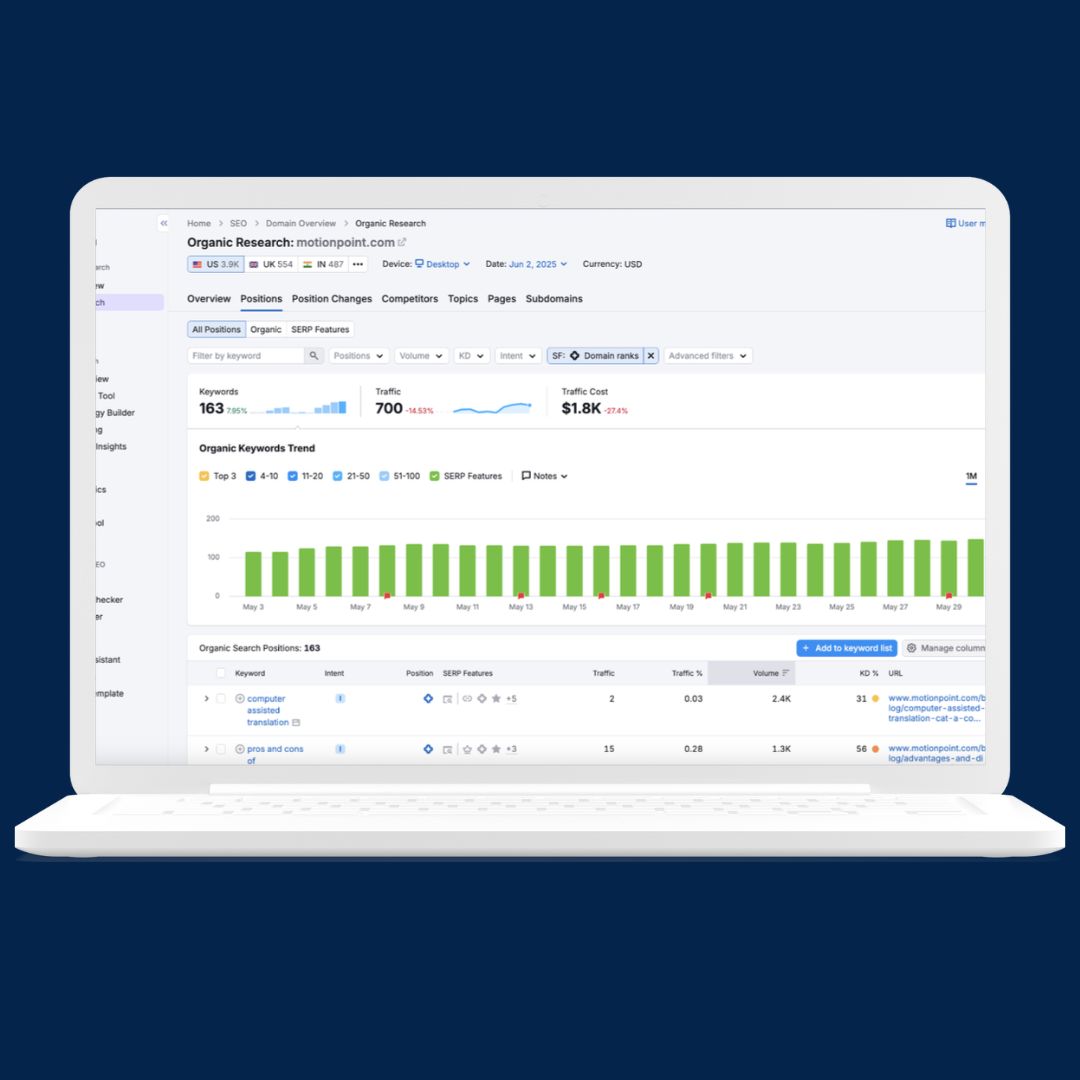
You will receive a customised snapshot showing how your site performs in AI Overviews. The report highlights:
Keywords where your brand is cited
Whether your visibility is informational, commercial, or mixed
Which pages appear most often, from blog to product sections
Traffic and CPC data, showing commercial potential
Top queries driving AI Overview clicks
All of this is included in your customised report for just $500 – available for a limited time.
What kind of insights can I expect to see?
Audits show that close to 90% of AI Overview keywords are informational, but some commercial queries also appear and reveal optimisation opportunities. Help and FAQ content often generates over half of the traffic, while a few URLs can capture more than 40% of clicks. This shows how AI Overviews reward clear, trustworthy answers, and why brands need consideration content such as comparisons, specifications, and buying guides.
How does the process work and what will you deliver?
We map your keyword rankings against AI Overview triggers, classify intent, and track which pages are cited. You receive a data-driven report with charts, keyword tables, and a prioritised action plan.
What follow-up actions can I take once I have the snapshot?
Most brands use the snapshot as a starting point. You can expand into cross-market audits, align seasonal campaigns with trending queries, or track competitors to see which content formats work best. Each step builds on your initial snapshot. Key Content helps brands act on these insights and make multilingual strategies more discoverable across markets.
What are the requirements to request this analysis?
This analysis is best for brands with established search visibility, as AI Overviews rely on ranking content. Sites with enough traffic and indexed pages will see the most actionable insights.
If you are asking yourself:
Are we included in AI Overviews for the queries that matter to us?
Do we only appear for informational queries, or also commercial ones?
Which content types drive our visibility, and where are the gaps?
What actions should we take now to protect and grow our presence in AI search?
Order your AI Overviews snapshot today for $500 (limited-time offer).
You will receive a tailored report, an executive summary for decision-makers, and a clear set of next steps to start improving visibility and conversions in AI-led search.
This report reflects a snapshot of AI Overview results captured at a specific date and time. As search results and AI Overviews are dynamic, findings may change over time.
Every brand localizes. few perform.
InContent 2025 The First Annual InContent Marketing™ Summit
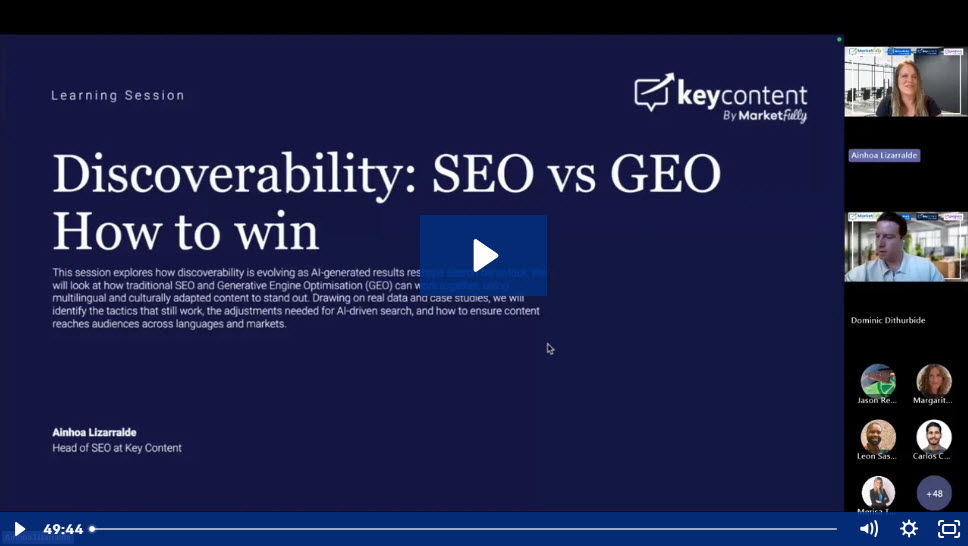
Discoverability Wars: SEO vs GEO and What It Means for Multilingual Content
The way audiences discover your brand is being rewritten. AI Overviews already appear in more than 1 in 10 searches, absorbing clicks and dictating what users see first. By 2027, fewer than 30% of clicks may come from traditional rankings.